
Bumper Repair After a Minor Accident Explained
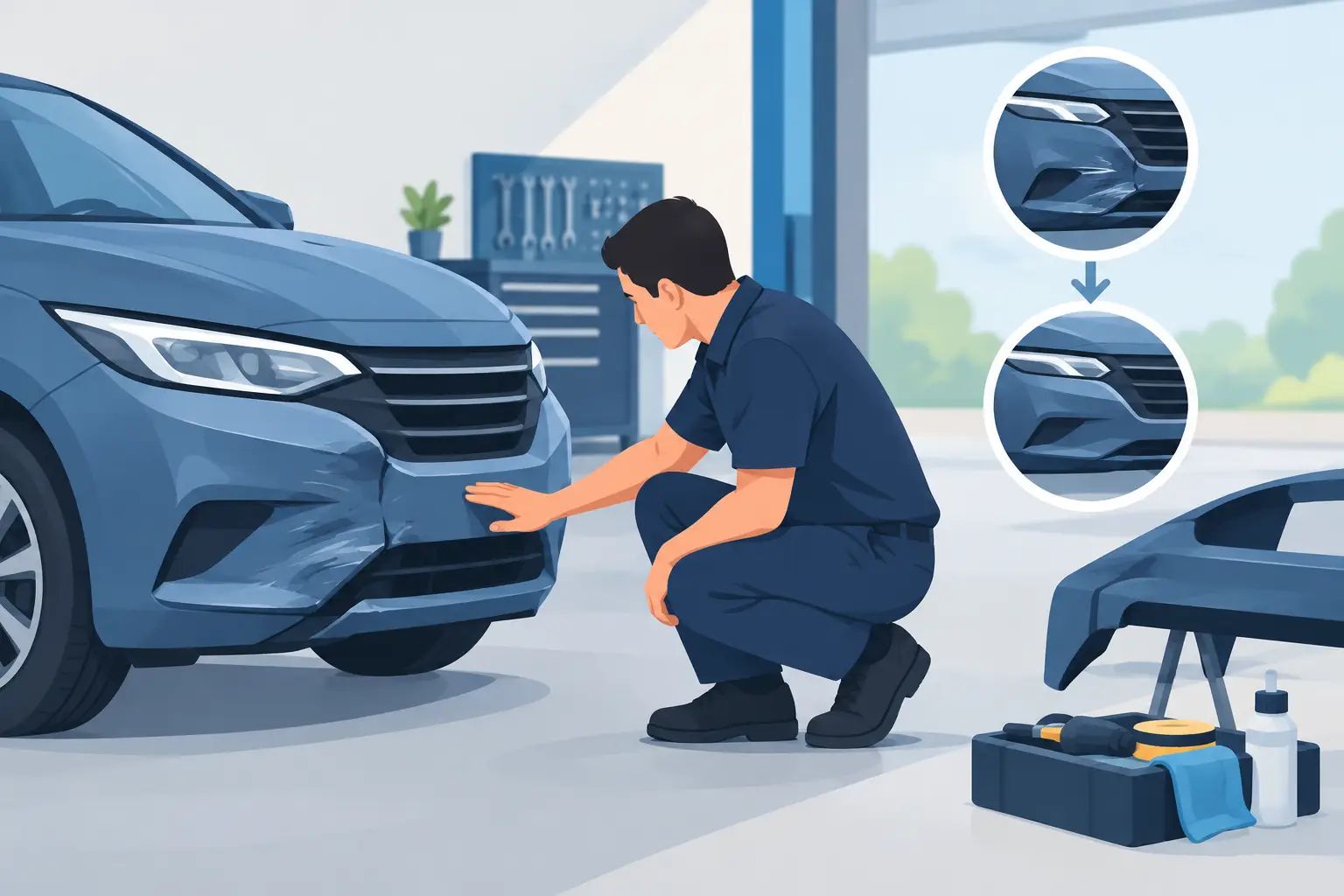
A bumper can look like it survived a low-speed impact with little more than a scuff. But if it absorbed the force of a parking-lot collision, curb strike, or rear-end tap, the visible mark may not tell the full story. Bumper repair after a minor accident should start with a careful inspection, not an assumption that the damage is only cosmetic.
Modern bumpers are designed to absorb energy and protect more than paint. Behind the cover are reinforcements, foam absorbers, mounting points, sensors, lights, wiring, and sometimes safety-system components. Addressing the damage correctly helps protect your vehicle’s appearance, function, and value - while giving you clear documentation if an insurance claim is involved.
Start With Safety and Documentation
After any accident, move to a safe location if the vehicle can be driven safely. Check for fluid leaks, loose parts, warning lights, damaged lights, tire rubbing, or a bumper that is hanging close to the ground. If you are unsure whether the car is safe to drive, arrange towing rather than taking chances on the road.
Take clear photos before washing or attempting a temporary fix. Capture the full vehicle, the damaged bumper from several angles, close-ups of cracks and scratches, the license plate area, and any nearby panel damage. If another vehicle or object was involved, photograph that damage as well. These images can help establish what happened and support the repair estimate.
A minor impact can still justify an insurance claim, especially if the bumper cover is cracked, a sensor warning appears, or the damage extends to a headlight, taillight, grille, fender, or liftgate. The decision depends on your deductible, coverage, repair estimate, and claims history. A repair facility can document the visible damage and identify conditions that may require further inspection.
What a Bumper Inspection Should Check
A proper inspection goes beyond the paint surface. Technicians first examine the bumper cover for deep gouges, splits, punctures, distorted sections, and broken tabs. The tabs and brackets matter because they hold the cover in position. A bumper that appears slightly loose may have damaged retainers rather than a problem with the cover itself.
The inspection should also include the bumper reinforcement bar and energy absorber behind the cover. These components may deform during an impact without creating dramatic exterior damage. Their condition helps determine whether repair is appropriate or whether replacement is the safer choice.
Alignment is another practical concern. A bumper that no longer sits evenly against the fender, hood, liftgate, or headlights may point to broken mounts, shifted panels, or damage farther inside the impact area. On some vehicles, a low-speed hit can affect parking sensors, blind-spot monitoring components, cameras, radar units, or wiring connections.
If a warning light comes on, a sensor stops working, or the vehicle reports an advanced driver-assistance system fault, do not treat it as a cosmetic issue. Those systems may need diagnostic scanning, component repair or replacement, and calibration after the body repair is complete.
Repair or Replacement: What Makes Sense?
Not every damaged bumper needs to be replaced. Light surface scratches, paint transfer, and shallow scuffs can often be repaired and refinished. Small dents in an undamaged plastic cover may also be repairable, depending on the bumper material, the location of the damage, and whether the plastic has stretched or lost its shape.
Replacement is often the better route when the cover is torn, punctured, badly creased, or missing mounting tabs. It may also be necessary when damage affects sensor openings, mounting areas, or structural support components. Repairing a severely compromised bumper simply because it appears less expensive can create fitment, durability, and safety concerns later.
Paint matching is part of the decision as well. A professional repair process accounts for the vehicle’s paint code, current finish condition, and how color changes in different light. Depending on the color and the repair area, blending into an adjacent panel may be recommended to produce a consistent finish. This is especially common with metallic, pearl, and older paint finishes.
The right answer is not always the least expensive option on the initial estimate. It is the repair plan that restores secure fit, proper function, a durable finish, and the vehicle’s intended safety features.
Why Hidden Damage Matters After a Low-Speed Impact
Minor accidents happen at speeds where people understandably expect minor repairs. Sometimes that is exactly what the vehicle needs. Other times, the bumper’s job was to absorb energy, and the damage is sitting behind the part you can see.
For example, a rear bumper impact can damage parking sensors or brackets, crack a foam absorber, bend a reinforcement bar, or push against the trunk floor area. A front impact can affect the grille, radiator support, active shutters, headlight mounts, or underbody panels. Even a parking curb can tear a lower valance or splash shield loose, leading to road noise or future damage if it is ignored.
Vehicle design makes a difference. A pickup, SUV, luxury vehicle, electric vehicle, and compact sedan may all respond differently to the same type of impact. Parts availability, sensor placement, paint requirements, and manufacturer repair procedures also influence the scope and timing of repairs.
This is why a written estimate may change after disassembly. An initial inspection documents what is visible. Once the bumper cover is removed, the repair team can identify concealed damage and update the plan with photos and supporting documentation. That process is not a surprise tactic. It is a necessary step in repairing collision damage responsibly.
How the Repair Process Usually Moves Forward
Once the vehicle is inspected, the shop creates a repair plan based on the damage found. For an insurance claim, photos, part information, labor operations, and supporting notes help explain the work needed. You can generally choose the repair facility you want to use, even when an insurer is involved.
After authorization, damaged parts are repaired or replaced, the bumper is prepared for refinishing, and paint work is completed as needed. If sensors, cameras, or driver-assistance components are involved, diagnostics and calibration may be completed according to the vehicle’s requirements. The vehicle should then receive a final inspection for panel fit, paint quality, warning lights, lights and accessories, and the operation of repaired components.
Communication matters throughout this process. A clear repair shop should explain what was found, what is being repaired, what parts are required, and whether the estimated completion date changes because of additional damage or parts availability. For busy Los Angeles drivers, that clarity can make a frustrating interruption easier to manage.
At Onyx Auto Body, the process can include damage evaluation, repair planning, insurance documentation support, in-house body and paint work, and final quality review. If your vehicle is not safe to drive after an impact, 24/7 free towing can also remove the uncertainty of getting it to the shop.
Can You Drive With Minor Bumper Damage?
It depends on the damage. A light scuff with a securely attached bumper, no warning lights, no leaks, and no interference with lights or tires may not prevent short-term driving. Even then, schedule an inspection soon, particularly if the impact was hard enough to move the bumper or leave a crack.
Do not keep driving if the bumper is loose, dragging, sharply cracked, blocking a light, rubbing a tire, exposing wiring, or causing a warning message. The same applies if the hood, trunk, or liftgate no longer closes properly. What starts as a small body issue can become a road hazard or lead to more costly damage.
Avoid tape-and-forget repairs. Temporary tape can secure a loose edge long enough to move the vehicle in some situations, but it does not restore the underlying mounts, absorbers, sensors, or reinforcement components. It also may trap moisture and dirt against the paint.
Protect the Repair and Your Vehicle’s Value
Keep copies of your estimate, repair authorization, photos, insurer correspondence, and final invoice. Good records can be useful for an insurance claim, lease return, resale, and any future questions about the repair.
Most importantly, give a minor accident the attention it deserves. A bumper is not just a painted cover at the edge of your car. A timely professional inspection gives you a clear answer about what was affected, what can safely be repaired, and what it will take to get back on the road with confidence.
Comments