
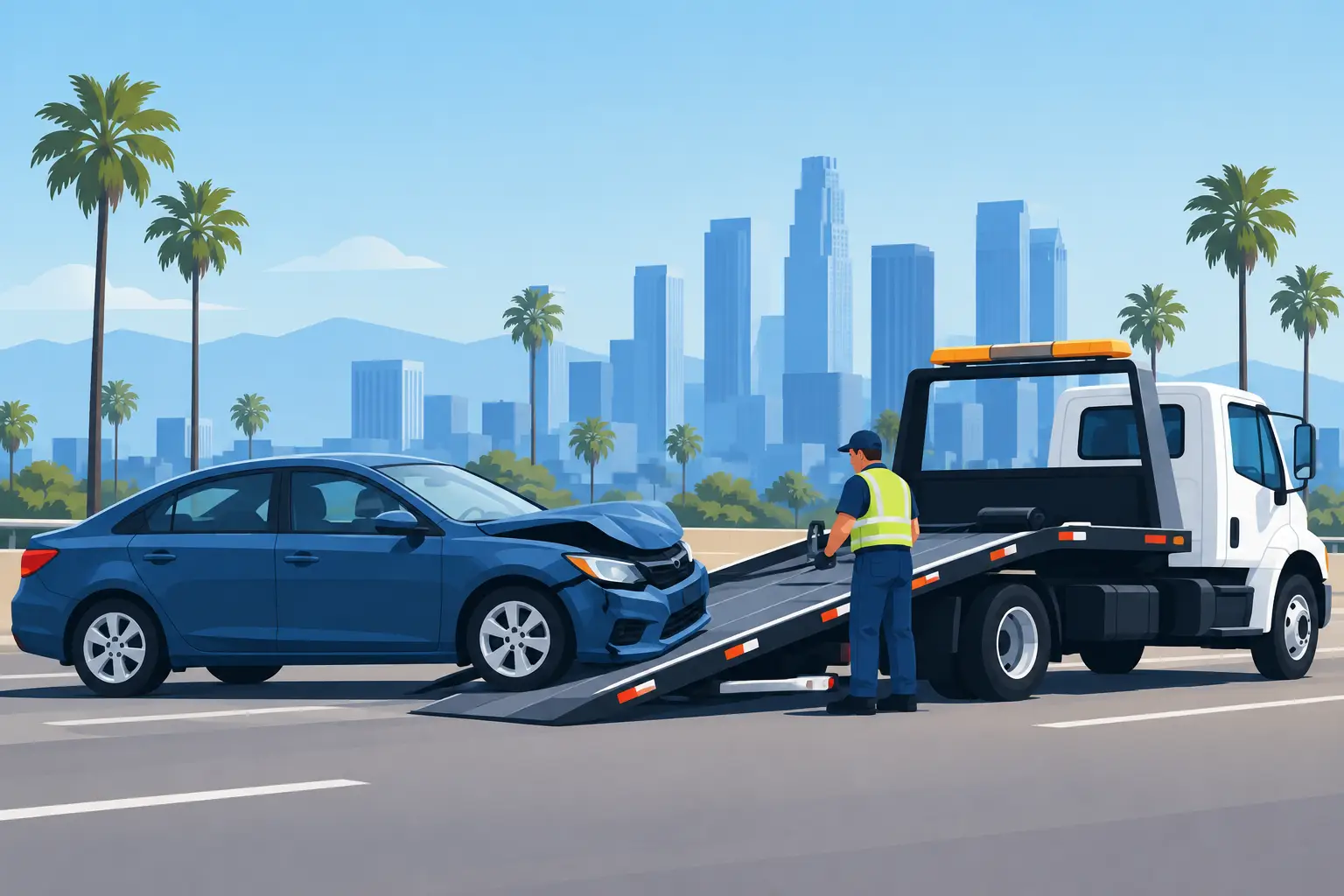
Free Accident Towing Los Angeles After a Crash
A collision can turn an ordinary Los Angeles drive into a series of fast decisions: move out of traffic, call for help, document the scene, and figure out what to do with a vehicle that may not be safe to drive. Free accident towing Los Angeles drivers can access through a collision repair shop can remove one major concern, but it helps to understand what “free” covers and how to keep control of where your vehicle goes.
The right next step is not simply getting the car off the road. It is getting it to a repair facility that can inspect visible damage, look for hidden structural or mechanical problems, help document the loss, and explain the repair plan clearly.
Start With Safety, Not the Tow
If your vehicle is drivable and you can safely move it, pull out of active traffic. Turn on hazard lights, check for injuries, and call 911 when anyone is hurt, the roadway is blocked, there is significant damage, or police assistance is needed. Do not stand between vehicles, especially on a busy freeway shoulder or at an intersection.
Take photos once you are in a safe position. Capture the vehicle positions, damage, license plates, the surrounding area, traffic signs, and any debris. Exchange insurance and contact information with the other driver, but avoid debating fault at the scene. Your insurer and the available evidence will handle that part later.
A vehicle can look drivable while having damage that affects steering, suspension, wheel alignment, cooling systems, lights, sensors, or the unibody structure. If a wheel is tilted, a fluid is leaking, a warning light is on, the steering feels unusual, or body panels are rubbing against a tire, request a tow rather than taking chances on the drive home.
What Free Accident Towing in Los Angeles Can Mean
Free towing is not always the same service in every situation. A collision repair shop may offer 24/7 towing to its facility at no charge as part of its customer support process. This can be especially useful after a crash because the vehicle arrives where it can be inspected and a repair plan can begin.
That is different from a tow ordered by law enforcement, a city-authorized tow, or an impound tow. When police direct a vehicle to be removed, the destination and fees may be governed by the situation, local rules, and the towing company involved. If your vehicle has already been taken to a storage yard, ask for the location, the tow company name, and the release requirements as soon as possible. Storage fees can add up quickly.
Before agreeing to a non-police tow, ask a few direct questions: Where will my car be taken? Is the tow free if I choose your repair facility? Will there be any mileage, after-hours, storage, or administrative charges? Can I receive confirmation of the destination? Clear answers matter when you are stressed and standing beside a damaged vehicle.
You Can Choose the Repair Shop
After an accident, some drivers assume their insurance company or a tow operator decides where repairs must happen. In most cases, you can choose the collision repair shop that works on your vehicle. An insurer may recommend a network facility, but a recommendation is not the same as a requirement.
Choosing a shop before the tow gives you more control over the process. You want a team that can evaluate the full scope of damage, not only write an estimate for the bumper or fender you can see. Modern vehicles often have components behind exterior panels that need careful inspection, including parking sensors, cameras, radar equipment, brackets, reinforcement bars, cooling parts, and safety-related systems.
A full-service facility can coordinate body repair, paint work, frame or unibody correction, glass replacement, mechanical collision repairs, and final quality checks in one process. That coordination can reduce handoffs and help prevent a repair from stalling because one part of the work was not considered early enough.
How Towing Fits Into the Repair Process
A good accident tow is the beginning of a controlled repair process, not the finish line. Once the vehicle reaches the shop, technicians can document its condition, assess visible and hidden damage, and prepare an initial repair plan. If the insurance company is involved, the shop can provide photos, estimates, and supporting documentation needed for claim review.
At Onyx Auto Body, 24/7 free towing is designed to connect the accident scene to the repair process without leaving customers to coordinate several separate providers. The goal is straightforward: get the vehicle to a secure location, evaluate what happened, communicate the next steps, and keep the owner informed as the repair moves forward.
Initial estimates can change after disassembly. That does not necessarily mean something went wrong. Damage behind a bumper cover, beneath a damaged panel, or around the suspension may not be visible until the vehicle is taken apart. When additional damage is found, the repair facility should explain what was discovered, why it matters, and how the updated documentation will be handled with the insurer.
Avoid These Common Post-Accident Mistakes
The first hours after a crash are confusing, which is why small oversights can create larger problems later. Avoid signing paperwork you do not understand, particularly documents that assign repair authorization or storage responsibility. Ask for copies of anything you sign.
Be cautious if an unsolicited tow truck arrives and pressures you to act immediately. If the tow was not dispatched by police, roadside assistance, your insurer, or a shop you contacted, verify who sent it and where the vehicle is going. A legitimate provider should be able to identify the company, explain the destination, and answer fee questions without pressure.
Do not empty only the obvious belongings from the car. Remove your wallet, keys, garage opener, medications, work equipment, child seats if they are not damaged, and personal documents. Take photos of the vehicle interior and any valuables that must remain. If a child seat was involved in a moderate or serious impact, check the manufacturer guidance and your insurer's policy before using it again.
Finally, do not judge repair needs by paint damage alone. A minor-looking parking-lot impact may be mostly cosmetic. A similar impact at speed may affect mounting points, sensors, wheel alignment, or structural components. The difference is why a professional inspection matters.
Prepare for the Insurance Conversation
You do not need every answer before contacting your insurance company. Start with the facts: when and where the accident occurred, the vehicles involved, the police report number if available, photos, and the tow location. Keep a simple record of claim numbers, adjuster contact details, and every conversation about the repair.
If you are using another driver's insurance, the process may take longer while liability is reviewed. If you use your own collision coverage, repairs may move ahead sooner depending on your policy and deductible, while your insurer seeks reimbursement if appropriate. The best choice depends on the facts of the collision and your coverage, so ask your carrier what each path means for timing and out-of-pocket costs.
A repair shop can support the documentation process, but it should also keep you informed in plain language. You should know whether the vehicle is awaiting an estimate review, parts, additional authorization, paint work, calibration, or final inspection. Regular updates make it easier to plan transportation, work, family schedules, and vehicle pickup.
When the Vehicle Is Ready to Return
Before pickup, review the repair order and ask about any work that was completed beyond the original estimate. Inspect the vehicle in good lighting. Look at panel fit, paint color consistency, trim placement, glass, lights, and the operation of doors, trunk, hood, windows, and safety features. A quality repair process also includes checking alignment, roadworthiness, and the systems affected by the collision.
Keep your repair paperwork. It documents the work performed and may be useful for insurance records, future service questions, or vehicle resale. If something does not feel right after pickup, contact the shop promptly so it can be evaluated.
After an accident, you do not have to solve every problem from the roadside. Focus first on safety, protect your choice of repair facility, and arrange a tow that moves your vehicle toward a proper inspection. A clear first call can make the rest of the process far easier to manage.
Comments