
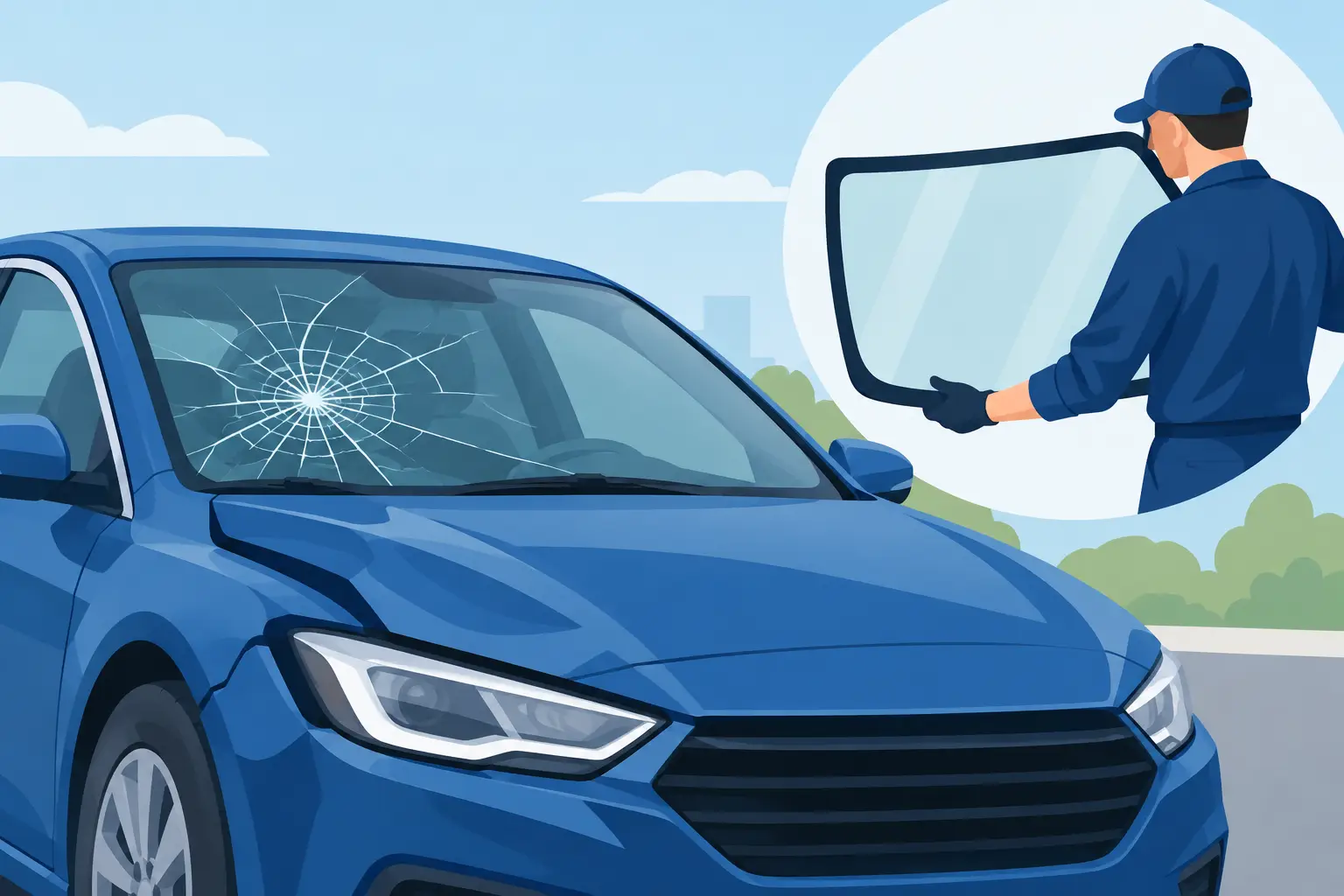
When Windshield Replacement After Collision Is Needed
A cracked windshield can look like a simple glass problem after an accident. It may not be. Windshield replacement after collision is often part of restoring the safety systems that protect you in a second impact, including clear driver visibility, passenger-side airbag support, and the roof structure around the cabin.
Whether the damage came from a rear-end collision, a side impact, road debris, or an airbag deployment, the right next step starts with a complete inspection. The visible crack is only one part of the picture.
Why Collision Damage to a Windshield Deserves Attention
Your windshield is bonded to the vehicle body with high-strength urethane adhesive. When installed correctly, it helps maintain the integrity of the passenger compartment. In many vehicles, it also provides a backing surface that helps the passenger-side airbag deploy in the intended direction.
A collision can compromise that bond even when the glass does not shatter. Stress from a shifted roof rail, bent A-pillar, damaged cowl panel, or twisted unibody can place pressure on the windshield edges. A small crack may spread days later as the vehicle moves, heats up in the Southern California sun, or travels over uneven pavement.
There is also a visibility concern. Cracks, chips, haze, and damaged areas in the driver's line of sight can distort the road ahead, especially at night or when sunlight hits the glass at an angle. If the windshield is broken, loose, or severely cracked, do not assume the car is safe to drive simply because the engine starts.
Repair or Windshield Replacement After Collision?
Some small chips can be repaired, but collision-related windshield damage should be evaluated more carefully than a typical rock chip. A repair may be appropriate when the damage is small, outside the driver's primary viewing area, and the glass has no signs of edge damage, contamination, or structural stress.
Replacement is usually the safer option when a crack reaches the edge of the windshield, the glass is shattered, damage obstructs the driver's view, or the impact affected the surrounding body structure. Replacement may also be needed if the windshield was removed during roof, pillar, frame, or body repairs and cannot be safely reinstalled.
The decision depends on the vehicle and the impact. A technician should inspect the glass, the mounting surface, the windshield frame, and related collision damage before recommending a repair plan. Replacing glass without addressing a misaligned body opening can create fitment problems, wind noise, water leaks, or added stress on the new windshield.
Do not overlook the surrounding structure
The windshield opening is not separate from the rest of the vehicle. Damage around the front end, roof, doors, fenders, or A-pillars can affect how the glass fits and seals. If an impact shifted the structure, proper correction needs to happen before new glass is installed.
This is one reason a full-service collision repair process can make a difference. Structural measurements, frame or unibody correction, body panel alignment, paint work, mechanical repairs, and auto glass service should follow a coordinated plan rather than being treated as unrelated jobs.
What to Do After an Accident With Windshield Damage
If the windshield is shattered, deeply cracked, or obstructing your vision, avoid driving the vehicle. Broken glass can continue to fall into the cabin, and a compromised windshield may not provide proper protection in another impact.
Take photos of the glass from inside and outside the vehicle if it is safe to do so. Include wider photos that show the location of the impact and any damage to the hood, roof, pillars, dashboard, or front end. These details can help document the claim and give the repair facility a clearer starting point.
Then arrange safe transportation for the vehicle. Towing is often the better choice when there is loose glass, airbag deployment, body damage near the windshield frame, steering or suspension concerns, or any question about whether the vehicle is roadworthy. A complete collision inspection can identify issues that are not obvious at the scene.
A Proper Replacement Is More Than Installing New Glass
A quality windshield replacement begins with preparing the vehicle, not just removing damaged glass. The repair team should inspect the pinch weld and surrounding metal for damage, corrosion, old adhesive, or distorted areas that could prevent a secure bond.
The damaged windshield is removed carefully so the body opening is not harmed further. If collision repairs are needed around the opening, those repairs are completed first. The mounting surface is then cleaned and prepared, and the correct adhesive system is used according to the vehicle and material requirements.
After installation, the adhesive needs sufficient cure time before the vehicle is driven. This is not a step to rush. Safe drive-away time depends on the adhesive, weather conditions, humidity, temperature, and the vehicle's design. Your repair facility should tell you when the car can safely return to the road and what to avoid during the first day, such as slamming doors or using high-pressure car washes.
Camera calibration may be required
Many newer vehicles have a forward-facing camera mounted behind the windshield. That camera can support advanced driver-assistance systems such as lane departure warnings, lane-keeping assistance, automatic emergency braking, adaptive cruise control, traffic-sign recognition, or automatic high beams.
When the windshield is replaced, the camera's position can change slightly. Even a small change can affect how the system reads lane markings, vehicles, and road conditions. Depending on the vehicle, the camera may need static calibration, dynamic calibration during a controlled road procedure, or both.
Calibration is not an optional extra when required by the manufacturer. A warning light may not always tell you whether the camera is accurately aimed. The vehicle should be scanned and calibrated according to the manufacturer's procedures, with documentation kept as part of the repair record.
How Insurance Claims Usually Handle Glass and Collision Repairs
Windshield damage from an accident is generally handled under the collision portion of an auto policy when you were involved in a crash. If the damage resulted from a falling object, vandalism, or certain weather-related events, comprehensive coverage may apply instead. Your deductible and policy terms determine what you pay out of pocket.
The insurance estimate may initially focus on visible damage. During disassembly, the repair facility can find hidden issues around the windshield frame, roof structure, sensors, trim, moldings, or camera components. When that happens, the shop documents the additional damage and submits a supplement to the insurer for review.
You do not need to diagnose these technical details yourself. What helps is choosing a repair facility that documents damage clearly, communicates repair findings, and coordinates the glass work with the rest of the collision repair plan. Keep your claim number, insurer contact information, photos, and accident details available when you bring the vehicle in.
Questions to Ask Before Approving the Work
Before approving windshield replacement, ask whether the shop inspected the surrounding structure and whether any body or frame corrections are needed first. Ask whether the replacement glass meets the vehicle's specifications and whether moldings, clips, seals, and related parts will be replaced if damaged.
If your vehicle has a camera or safety sensors near the windshield, ask whether calibration is required and how the work will be documented. You can also ask about safe drive-away time, leak testing, and the final quality inspection. Clear answers are a good sign that the repair process is being managed as a safety repair, not simply a glass swap.
Get Back on the Road With the Right Repairs
After a collision, it is reasonable to focus first on the obvious dent, broken bumper, or cracked windshield. But the best repair plan considers how every affected part works together. Glass fitment, structural alignment, visibility, airbag support, camera calibration, and weather sealing all matter once the vehicle is back in daily traffic.
For drivers in Northridge and the Los Angeles area, Onyx Auto Body can coordinate towing, collision inspection, insurance documentation, body repair, auto glass replacement, and final quality review in one managed process. The goal is simple: make sure the vehicle is repaired with a clear plan and returned only when it is ready for the road.
Comments