
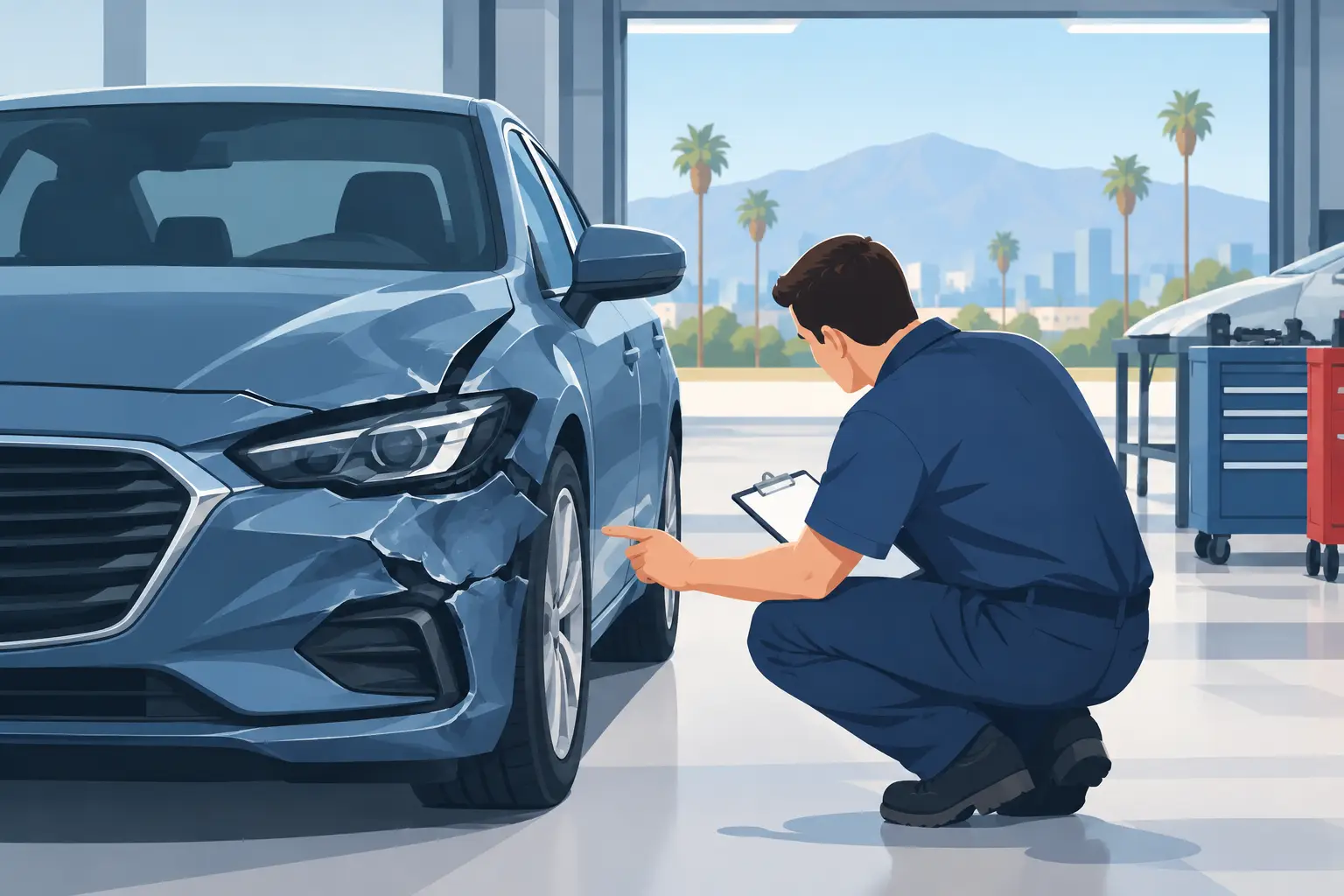
Collision Repair Northridge CA After an Accident
A collision can turn a normal drive through Northridge into a long list of urgent decisions. Your bumper may be hanging loose, the steering may feel off, or the damage may look minor while something underneath has shifted. The right collision repair Northridge CA drivers choose should address more than what is visible in the parking lot. It should give you a clear plan, help document the damage, and return your vehicle only after it has been checked for safety, function, and appearance.
Start With Safety, Then Protect the Details
Immediately after an impact, move to a safe location if the vehicle can be driven without creating another hazard. Check for injuries, call emergency services when needed, and exchange information with the other driver. Photos can be useful, but do not put yourself in danger to take them.
Take pictures of the vehicles, license plates, road conditions, traffic signs, debris, and the overall scene when it is safe to do so. Save the other driver's insurance and contact information, along with the police report number if a report is made. These details can support an insurance claim, but they also give the repair shop a better starting point when evaluating the incident.
If a wheel is rubbing, a warning light appears, fluids are leaking, a door will not close, or the vehicle pulls strongly to one side, do not try to drive it home. Towing is often the safer choice. A vehicle can look drivable after a collision and still have damage affecting its steering, cooling system, suspension, sensors, or structural components.
What Collision Repair in Northridge CA Should Include
Auto body repair is sometimes treated as a cosmetic service, but a complete collision repair process goes much further. Modern vehicles are built with carefully engineered crumple zones, unibody structures, safety systems, and electronic components. Damage behind a bumper cover or beneath a fender can affect how the vehicle tracks, how panels fit, and how safety features perform.
A thorough inspection starts with the visible damage, then looks for related issues. That may include checking the bumper reinforcement, radiator support, suspension mounting points, wheel alignment, door operation, trunk or hatch fitment, lights, sensors, and windshield condition. The exact scope depends on where and how the impact occurred.
For example, a low-speed parking-lot impact may need bumper repair, paint work, and sensor calibration. A front-end collision may also require mechanical repairs, cooling-system work, alignment checks, and structural measurement. A side impact can affect doors, rocker panels, glass, seat-belt components, and the vehicle's unibody. The goal is not simply to make the damaged area look better. It is to identify what changed in the collision and correct it properly.
The Difference Between an Estimate and a Repair Plan
An initial estimate is an informed starting point, not always the final repair list. Some damage cannot be confirmed until damaged exterior parts are removed. Once the shop can inspect the area behind a bumper, panel, or wheel assembly, it may find broken brackets, hidden bends, damaged wiring, or components that need replacement.
This is why clear communication matters. If additional damage is discovered, the repair plan may need a supplement for the insurance carrier. That process can add time, but it prevents a repair from being rushed based on what could be seen from the outside. A reputable shop explains what was found, why it matters, and what happens next.
A Repair Process That Keeps You Informed
After an accident, most drivers want two things: confidence that their car is being repaired correctly and a realistic sense of when they will have it back. Those needs are best met by a coordinated process rather than scattered updates and unanswered questions.
At Onyx Auto Body, the process begins with damage evaluation and documentation, followed by a repair plan that considers cosmetic, structural, glass, and mechanical needs together. Insurance documentation support can reduce confusion during the claim process, while regular progress communication helps customers understand where their vehicle stands.
The repair itself typically moves through several stages. Damaged components are removed as needed for a full inspection. Structural or frame and unibody corrections are completed before replacement parts and exterior panels are fitted. Body repairs, dent work, or bumper repairs are prepared for paint, and color is matched to blend with the surrounding finish. Mechanical and alignment-related repairs are addressed when the collision has affected drivability or vehicle systems.
Parts availability can affect the schedule. So can insurance approval, the discovery of hidden damage, and the extent of paint or structural work required. A small dent repair may be completed relatively quickly, while a collision involving multiple panels, glass, suspension, or frame correction requires more time. A shop that promises a return date before the repair scope is understood may be setting unrealistic expectations.
Why Paint Matching and Panel Fit Matter
Paint work after a collision is not just about choosing a color code. Sun exposure, age, prior repairs, and the finish on adjacent panels can all influence how a color appears. Proper preparation, controlled application, and blending where appropriate help the repaired area look consistent with the rest of the vehicle.
Panel fit is equally important. Gaps around doors, hoods, fenders, trunks, and bumpers should be even and functional. A door that closes poorly or a hood that sits unevenly may signal that more adjustment is needed. These details affect appearance, weather sealing, wind noise, and daily usability.
The final stage should include a quality inspection. That means checking repaired areas, paint finish, lights, glass, panel alignment, and the operation of components affected by the repair. If the collision involved steering, suspension, or other mechanical systems, those items should be evaluated as part of the completed work as well.
Working With Insurance Without Losing Control
Insurance claims often feel complicated because several parties are involved: the vehicle owner, the insurer, an adjuster, the repair facility, and sometimes another driver's carrier. The practical first step is to open the claim promptly and provide accurate accident information. Keep copies of claim numbers, estimates, photos, and repair communications.
You can choose the repair facility you trust. The insurer may inspect the vehicle or review documentation, while the shop prepares the repair plan and communicates with the carrier about collision-related damage. If additional damage is found during disassembly, the shop can submit supporting information for review.
It helps to separate questions about coverage from questions about repairs. Your insurer determines policy coverage, deductibles, and claim decisions. Your repair shop explains the damage, the repair methods, parts needs, and the work required to restore the vehicle. Both conversations matter, and good documentation keeps them connected.
Signs You Should Schedule an Inspection
Not every impact leaves obvious damage. If you were hit by road debris, backed into a post, scraped a curb, or had a minor contact in a parking lot, pay attention to changes that appear afterward. These can include a new vibration, steering that is no longer centered, uneven tire wear, warning lights, water inside the cabin, unusual noises, or a bumper that no longer sits flush.
Windshield cracks and chips also deserve prompt attention. Glass contributes to visibility and can be part of the vehicle's safety system. Whether repair or replacement is appropriate depends on the size, location, and type of damage, as well as the vehicle's glass-mounted cameras or sensors.
A careful inspection is especially worthwhile if you rely on your vehicle for commuting, school drop-offs, client visits, or rideshare work. Waiting can allow a loose panel, damaged light, alignment concern, or water leak to become a larger problem.
After an accident, you do not need to have every answer before calling for help. Secure the vehicle, save the information you have, and ask for a clear inspection and repair plan. The right next step is the one that gets your car safely back to the road while giving you fewer things to manage.
Comments